Credit Score Myths and Facts for Loan Approval
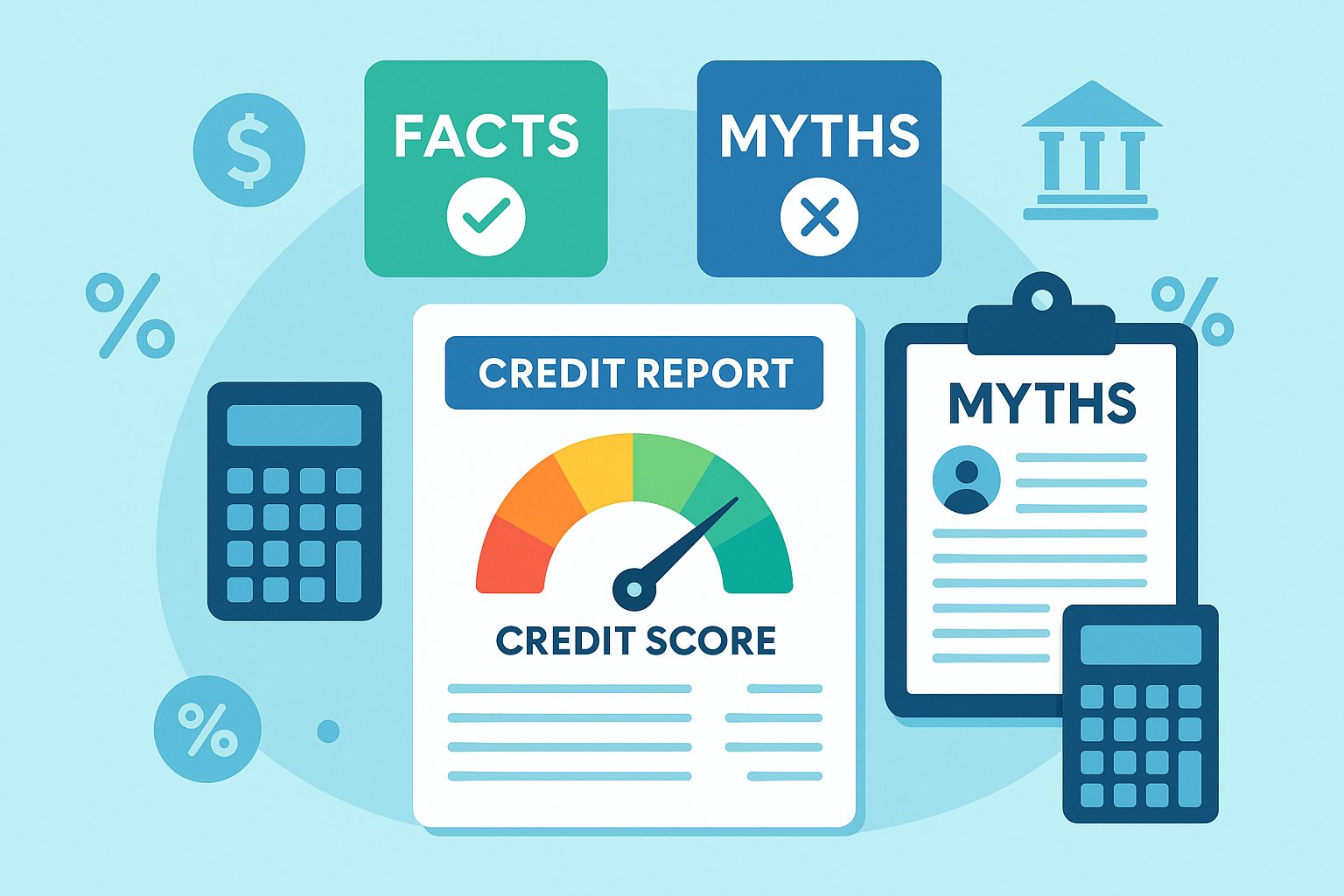
When people apply for a loan, their credit score often becomes the deciding factor. Yet many still misunderstand how credit scores work, what affects them, and what lenders truly look for. These misunderstandings can lead to unnecessary fear, loan rejections, or missed financial opportunities. That is why learning the real credit score myths and facts is essential for anyone preparing for personal loans, auto loans, mortgages, or even small business financing.
Credit scores are not random. They are structured, predictable, and based on data that lenders trust to evaluate your financial habits. However, misinformation spreads easily, especially on social media and from outdated advice. If you want the best chance of loan approval in 2026 and beyond, you need to separate credit score myths from facts so you can take action with confidence.
This guide explains the most common credit score myths and facts, how lenders really review applications, and the steps you can take to strengthen your score before applying for a loan.
Understanding Credit Score Myths and Facts Before Applying for a Loan
Before you even check your score or prepare documents, you must understand the basics. Many loan applicants make decisions based on outdated beliefs. This section explains the foundation of credit score myths and facts so you can avoid the mistakes others make.
1. Myth: Checking Your Credit Score Will Hurt You
This is one of the most common misunderstandings. Checking your own credit score through apps or websites does not hurt your score. This is known as a “soft inquiry,” and it has zero impact. You should check your score regularly to monitor your progress.
Fact: Only hard inquiries from lenders affect your score.
This happens when you officially apply for a loan or credit card. Even then, the impact is small and temporary.
2. Myth: Income Directly Affects Your Credit Score
Many people believe that earning a high income automatically leads to a high credit score. That is not how the scoring system works.
Fact: Income is not part of credit scoring at all.
Your score reflects how you manage credit, not how much money you make. However, lenders may ask for your income to determine if you can afford the loan, which is separate from your credit score.
3. Myth: Using Your Credit Card Hurts Your Score
Some people avoid using credit cards because they fear it will lower their score. In reality, using your credit card responsibly is one of the best ways to build credit.
Fact: Proper credit card usage improves your score.
Paying on time, keeping balances low, and maintaining low credit utilization all boost your score.
Credit Score Myths and Facts That Affect Loan Approval Most
These are the areas lenders pay attention to. If you want to get approved, you must truly understand these.
4. Myth: Closing Old Accounts Helps Your Score
People often close old accounts to look “cleaner” for lenders.
Fact: This can actually damage your score.
Closing old accounts reduces your credit history length and increases your utilization rate. Both can lower your score. Keeping older accounts open is usually beneficial.
5. Myth: Paying Off Your Loan Early Hurts Your Score
This is completely false and often comes from confusion around interest and early payoff penalties.
Fact: Paying loans early never hurts your credit score.
You may pay less interest overall, and your credit report will show that you successfully repaid the loan.
6. Myth: One Late Payment Does Not Matter
Many believe that missing one payment is not a big deal. Unfortunately, this is not true.
Fact: One late payment can significantly affect your score.
Payment history makes up the largest percentage of your credit score. Even a single late payment can stay on your report for years.https://creditcards.wellsfargo.com/
How Lenders Really Use Credit Score Myths and Facts in Their Decisions
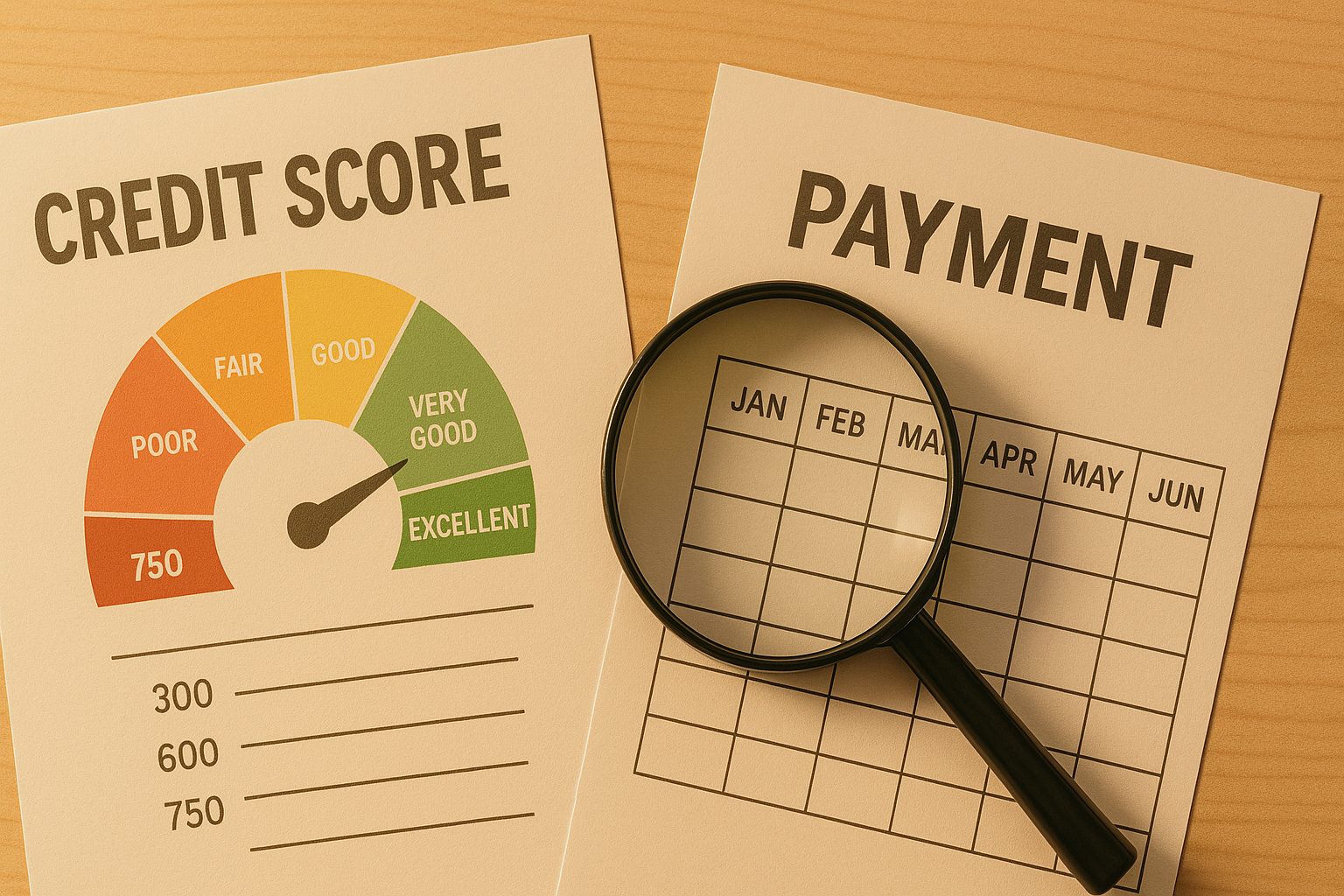
In 2026, lenders rely on both data and behavior when assessing loan applications. Understanding credit score myths and facts will help you prepare for what matters most. For more information:https://www.zippylend.com/2025/05/21/how-to-qualify-for-a-business-loan-step-by-step-guide/
1. Your Credit Score Is Not the Only Factor
Lenders also consider:
• Income stability
• Debt-to-income ratio
• Employment history
• Loan purpose
• Down payment
• Credit mix
Your credit score simply supports your overall financial picture.
2. Your Credit Score Predicts Your Financial Behavior
Credit scoring models are designed to predict how likely you are to repay a loan. They look at:
• Your past payment behavior
• How much credit you use
• How long you have been using credit
• Types of accounts
• Recent applications
This data shows whether you manage your financial responsibilities well.
3. Higher Scores Get Better Interest Rates
Even if you get approved with a lower score, the interest rate might be high. This is why understanding credit score myths and facts helps you improve your score before applying.https://creditcards.chase.com/
How to Improve Your Credit Score: Breaking the Myths and Using the Facts
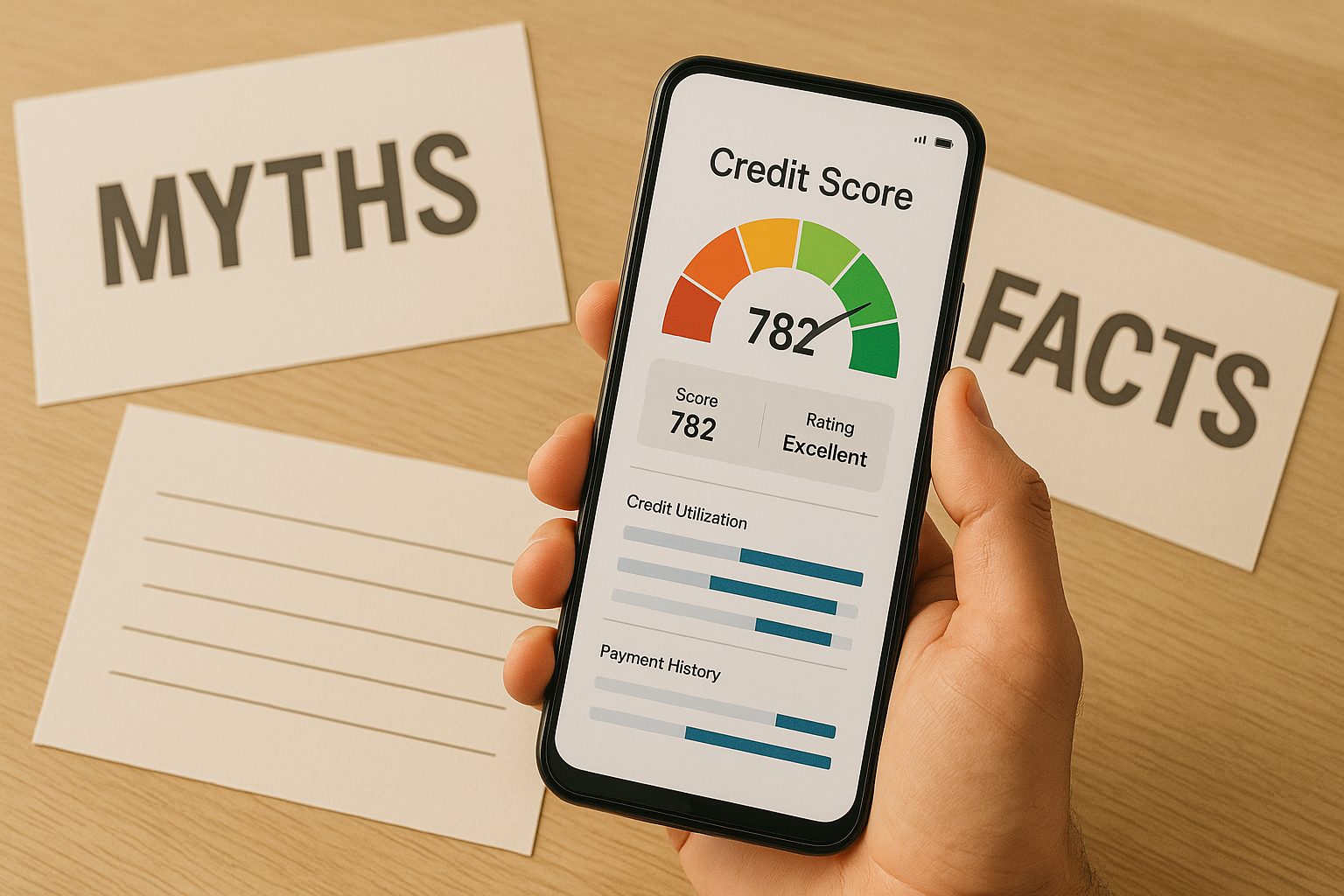
Here is how to make real improvements based on real information.
1. Pay All Bills on Time
Payment history is the most important factor. Even one missed payment can set you back.
2. Keep Your Utilization Low
Try to use less than 30 percent of your available credit. Under 10 percent is even better.
3. Avoid Too Many Hard Inquiries
Apply for new credit only when needed. Too many inquiries in a short time lowers your score.
4. Maintain Old Accounts
The age of your credit history helps your score grow over time.
5. Monitor Your Credit Report
Check for errors or fraudulent activity. You can review your report for free annually.
Why Understanding Credit Score Myths and Facts Matters for Loan Approval in 2026
Loan approval is becoming more data-driven, and lenders expect applicants to understand their own financial profile. Understanding credit score myths and facts is the first step toward better financial decisions. When you know what affects your score and what does not, you can build a stronger credit history and improve your chances of getting approved with lower interest rates.https://bd.visa.com/
A strong credit score opens the door to:
• Lower loan costs
• Higher approval chances
• Better terms
• More financial freedom
• Faster approval process
The more informed you are, the more control you have.
Credit Score Myths and Facts are often misunderstood, but learning the truth can significantly improve your financial results. When you separate myths from facts, you make smarter choices, avoid mistakes, and get closer to approval for the loans you want. In 2026, lenders rely on clear data and responsible financial behavior. With the right habits and accurate knowledge, you can build a strong credit profile that works in your favor.