

Top 10 Reasons Your Personal Loan Application Was Rejected
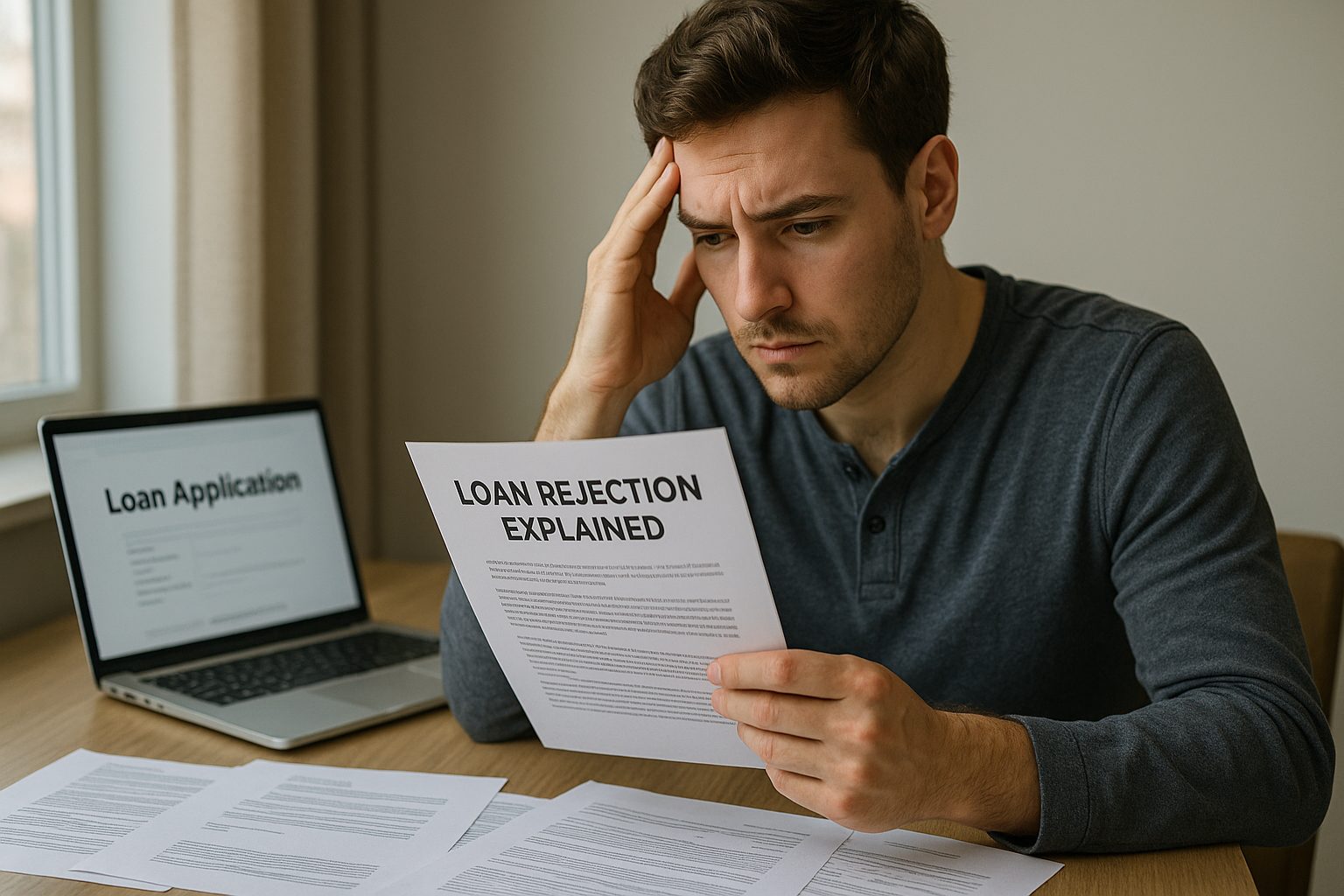
Applying for a personal loan application can feel stressful because you hope for a quick yes. When a lender rejects your personal loan application, it can be confusing and frustrating, especially when you do not know what went wrong. The good news is that most issues are simple and can be fixed before you submit another personal loan application. Once you understand what lenders look for, you can correct the problems and improve your chances the next time you apply. In this guide, you will learn the top reasons for rejection and the steps you can take to avoid them.
Low Credit Score
The most common reason for rejection is a low credit score. Lenders use your score to guess how risky it might be to lend you money. If the number is too low, they worry that you may not repay the loan. As a result, they reject the application.
To fix this, start by checking your credit report. Pay your bills on time, keep credit card balances low, and avoid applying for too much credit at once. Over time, your score will rise and your approval chances will improve.
High Debt Compared to Income and Your Personal Loan Application
Even if you earn a good income, your personal loan application was rejected if lenders see that you already carry too much debt. This is because they check your debt to income ratio to understand how much of your earnings are already tied up. If the number is too high, they assume you may struggle with new payments and decline the request to reduce their risk.
A smart way to improve this is to pay down your current debts. You can also look for ways to increase your income through small side jobs. As your ratio improves, lenders feel more confident about approving you the next time you apply.
Unstable Employment History
Many people find that their personal loan application was rejected because their employment history looks unstable. Lenders want to see steady income and clear work patterns. If you recently switched jobs or have gaps in your work history, they may worry about your ability to repay on time.
To avoid this problem, try applying after you have stayed with your current employer for at least six months. If you are self employed, make sure your income documents are organized and show consistent earnings.
Insufficient Income and a Rejected Personal Loan Application
Some lenders set minimum income levels that every borrower must meet before they review a personal loan application. If your earnings fall below their limit, the lender may reject your personal loan application because they worry that repayment could become difficult for you. Before applying, check the lender’s income requirements so you do not submit a personal loan application that already falls outside their rules. If your income is on the lower side, you can improve your chances by adding a co signer with stronger financial stability or choosing lenders who work with low income borrowers. Taking these steps helps you apply with confidence and increases your chance of approval.
Errors in the Application
Sometimes applications are rejected simply because of mistakes. A wrong number, missing document, or mismatched data can lead to an instant decline.
It helps to review everything carefully before submitting. Double-check your identity details, bank statements, employment information, and income numbers. Correcting mistakes can make a big difference.
visit for more information : https://www.zippylend.com/
Limited or No Credit History and Your Personal Loan Application
Many people are rejected because they have little or no credit history. This is common among students, young adults, and people who never used credit before. Lenders want to see a track record. Without it, they cannot predict how you will handle debt.
A simple solution is to build credit slowly. You can get a secured credit card or become an authorized user on a family member’s account. After a few months of responsible use, your credit profile will start to grow.

Too Many Recent Credit Applications
Each time you apply for credit, a hard inquiry shows up on your report. If lenders see many inquiries in a short period, they worry that you may be desperate for money. This creates risk and can lead to a rejection.
To prevent this, space out your applications. Only apply when you feel confident that you meet the lender’s requirements.
Unverified or Inconsistent Information in Your Personal Loan Application
Lenders want to ensure everything on your application is real and accurate. If they cannot verify your income, address, or job, they may reject your loan. Sometimes third-party verification fails for reasons beyond your control.
To reduce this risk, provide clear documents. Use official pay stubs, tax returns, or verified bank statements. Keep your personal information consistent across all accounts.
Negative Marks on Your Credit Report
Late payments, defaults, charge offs, and collections can all hurt your application. Lenders see these as warning signs that you struggled with debt in the past. Even one serious negative mark can lead to a decline.
To improve your chances, work on clearing old debts and negotiating payment plans. As older negative items age, their impact becomes weaker, which helps your approval odds.

Applying for the Wrong Type of Loan
Sometimes rejection happens because the loan type does not match your needs. For example, applying for a high loan amount with weak income can lead to a quick decline. Lenders also have different policies for secured and unsecured loans.
It helps to research each lender’s products. Match your financial situation with the right loan. If one lender rejects you, another lender may still approve you because their rules are different.
What To Do After a Loan Rejection
Getting rejected can feel disappointing, but it is not the end. Many borrowers are approved on their second or third attempt. The important step is to read the lender’s explanation carefully. Once you know the reason, you can fix the issue. Most people improve their chances by raising their credit score, lowering their debt, or choosing a more suitable lender.
How to Improve Your Approval Chances Next Time
Start by reviewing your credit report once a year. Check for errors and dispute anything that is incorrect. Pay your bills on time every month because payment history has the biggest impact on your score. If your income is low, consider adding a co-signer or applying with a lender known for flexible requirements.
It is also helpful to compare lenders before applying. Many offer pre-qualification tools that let you see your chances without affecting your credit score. Use these tools to find the best match.
A personal loan rejection happens for many reasons but most of them can be fixed. Once you understand what lenders look for, you can prepare better and apply confidently. Take your time, improve your financial profile, and choose a lender that fits your situation. With the right steps, your next application has a much better chance of being approved.


